Austria's Legal Framework and Its Influence on Progressive Jackpot Accessibility in Mobile Gaming Environments
Geschrieben von Paul Vogel · 7.9.2026
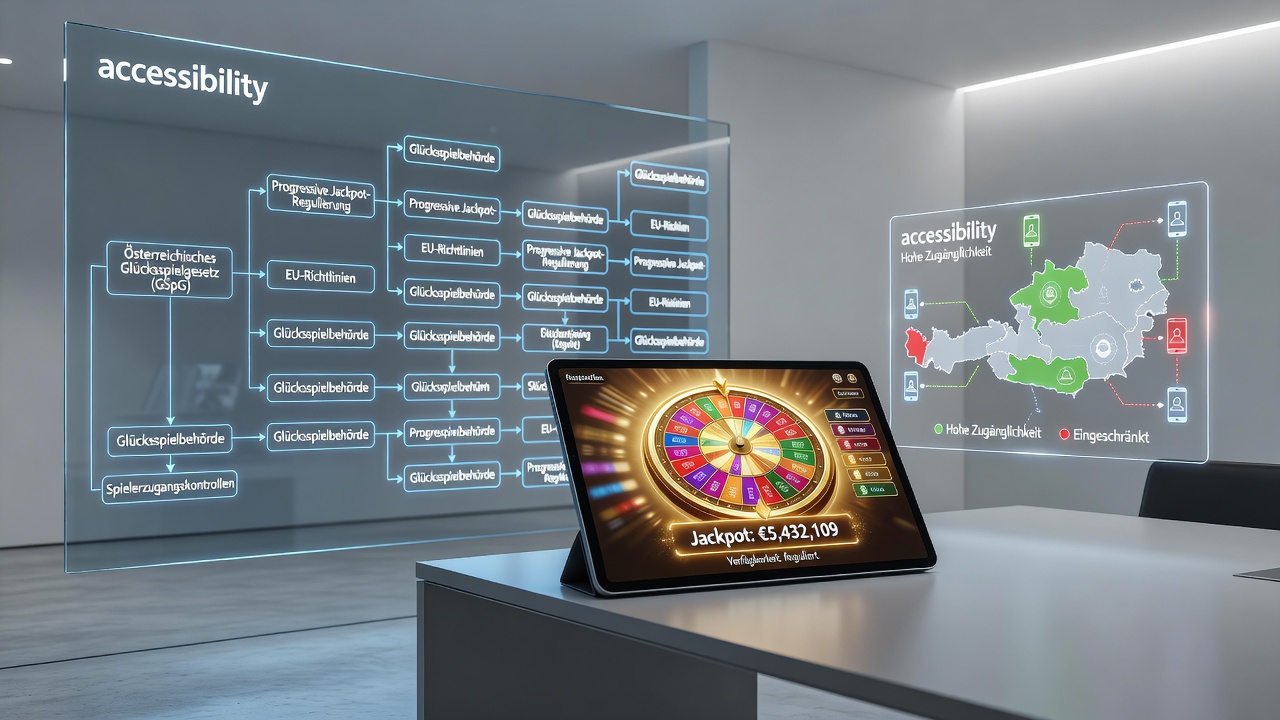
Austria's Legal Framework and Its Influence on Progressive Jackpot Accessibility in Mobile Gaming Environments
Austria maintains a tightly controlled approach to gambling that stems from federal legislation dating back decades, and this structure directly shapes how progressive jackpots appear in mobile environments. The core statutes require all operators offering games with accumulating prizes to secure specific concessions from the state, which limits the number of platforms that can legally deliver such features to Austrian residents. Observers note that these rules create a clear distinction between licensed domestic services and unlicensed offshore options, with the latter facing strict enforcement barriers when users attempt access from within the country.
Key Statutes Governing Gambling Activities
The Glücksspielgesetz forms the foundation of Austria's regulatory system, and it classifies progressive jackpot games as a distinct category that demands separate approval processes beyond standard casino licenses. Under this law, only entities granted concessions by the Austrian Federal Ministry of Finance may offer games where jackpot pools grow across multiple player sessions or platforms. Data from regulatory filings shows that fewer than a dozen operators currently hold valid permissions for such products, which restricts mobile availability to those specific providers and their approved applications.
Additional provisions in the law address cross-border issues, and they prohibit unlicensed foreign operators from targeting Austrian users with jackpot mechanics that accumulate value over time. Enforcement actions have included blocking measures on payment processors and app store listings, which further narrows the options available through mobile devices. Researchers at European gaming policy centers have documented how these restrictions maintain a domestic monopoly structure while still allowing limited participation through state-sanctioned channels.
Mobile Gaming Environment Specifics
Mobile access to progressive jackpots operates under the same concession requirements as desktop platforms, yet technical and age-verification rules add extra layers of compliance that operators must satisfy before launching apps or web-based versions. Austrian authorities require real-time identity checks integrated into mobile interfaces, and these systems must connect directly to official databases to confirm user eligibility before any jackpot contribution occurs. Figures released by the ministry indicate that mobile participation rates remain lower than in neighboring jurisdictions because of these verification hurdles, even though smartphone usage for gaming has risen steadily across the population.

Operators who receive approval must also implement geo-fencing technology that prevents play outside designated borders, and this measure ensures that jackpot pools only accumulate from verified Austrian accounts. The combination of these technical mandates and the limited number of concessions means mobile users encounter fewer titles featuring shared progressive prizes compared with markets that allow broader licensing. Studies conducted by academic institutions in the region confirm that such controls reduce exposure to high-variance jackpot games on handheld devices while directing traffic toward fixed-prize alternatives.
Progressive Jackpot Mechanics Under Regulation
Progressive systems in Austria must pool contributions exclusively from players within the licensed network, which prevents integration with international jackpot networks that span multiple countries. This isolation keeps prize amounts smaller on average than those seen in less restricted environments, and it requires operators to maintain separate accumulation algorithms that comply with auditing standards set by the ministry. Reports from industry monitoring groups show that approved mobile applications display real-time pool updates only after users complete full registration and verification steps, adding friction that some players bypass by avoiding these games altogether.
Taxation rules further influence accessibility, since winnings from progressive jackpots fall under specific withholding requirements that licensed operators must handle automatically through their platforms. These fiscal obligations create additional administrative costs that operators factor into their mobile offerings, resulting in fewer titles that emphasize accumulating prizes as a core attraction. According to data published by the Austrian Federal Ministry of Finance, jackpot-related tax revenues have remained stable even as overall mobile gaming volumes fluctuate, indicating consistent but contained participation levels.
Developments Scheduled for September 2026
Regulatory updates planned for September 2026 include revised guidelines on digital wallet integration and updated security protocols for mobile jackpot systems, and these changes aim to align Austria's framework with emerging EU-wide standards on responsible gaming tools. The ministry has outlined new reporting requirements that will track jackpot contribution patterns across devices, which could affect how operators structure their mobile progressive offerings in the future. Observers expect these adjustments to maintain the existing concession model while introducing more granular oversight of cross-platform prize accumulation.
Conclusion
Austria's legal structure continues to prioritize state control over gambling activities that involve progressive jackpots, and this approach produces measurable effects on mobile accessibility through limited licensing, technical mandates, and verification processes. The framework channels participation toward approved domestic providers while restricting broader international options, and upcoming adjustments in September 2026 will likely reinforce rather than expand these boundaries. Data from official sources demonstrates steady but contained engagement with such games on mobile devices, reflecting the ongoing balance between regulation and consumer access within the current system.